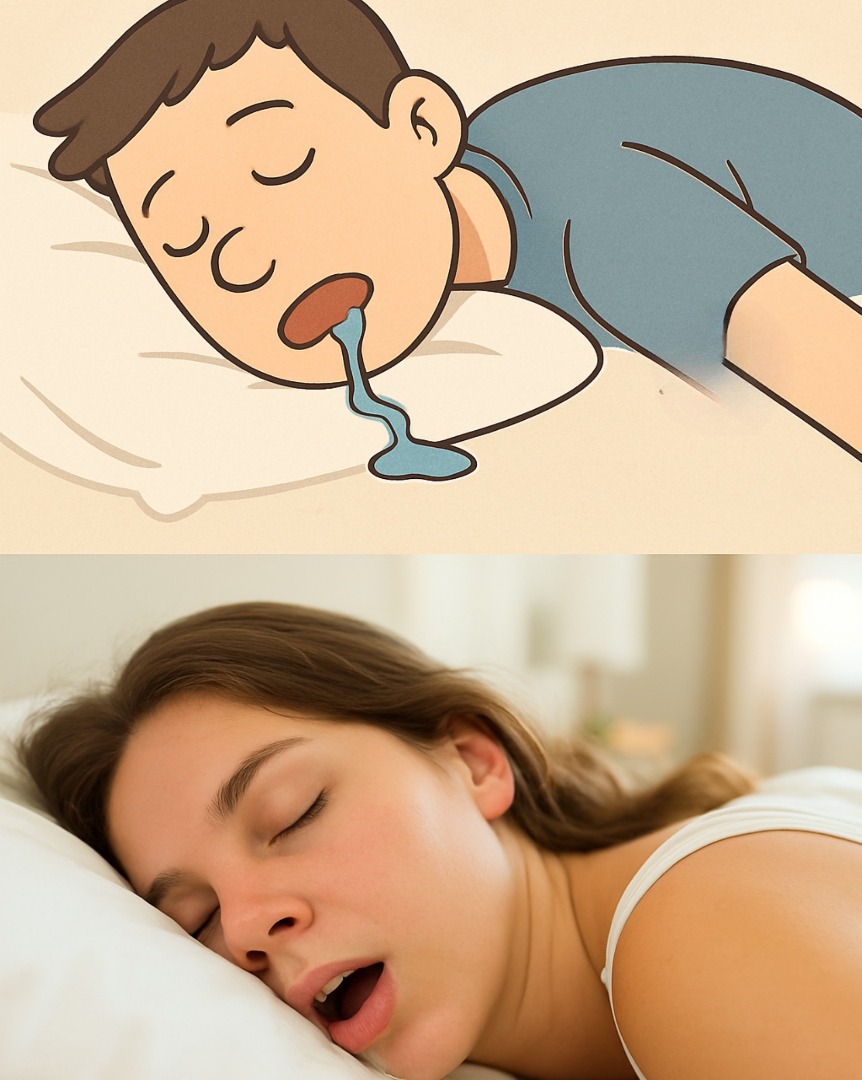
Drooling While Sleeping — When It’s Normal vs. When to See a Doctor
Waking up to a damp pillow can feel embarrassing—but occasional drooling is normal. Your muscles relax during sleep, including those that control swallowing and lip closure. However, if you’re noticing frequent, excessive drooling—especially with other symptoms—it could signal an underlying condition worth discussing with your doctor.
🔍 When Drooling Is Normal
- Side/back sleeping: Gravity pulls saliva toward your mouth
- Deep sleep: Swallowing reflexes slow down
- Medications: Some drugs (like antipsychotics) increase saliva production
- Pregnancy: Hormonal changes + nausea can cause excess saliva
⚠️ 6 Conditions Linked to Excessive Nighttime Drooling
1. Obstructive Sleep Apnea (OSA)
Why: Airway blockage forces mouth breathing → saliva pools and drips
Red flags: Loud snoring, gasping for air, daytime fatigue
Action: Sleep study + CPAP therapy if diagnosed
2. Acid Reflux (GERD/LPR)
Why: Stomach acid irritates throat → body produces extra saliva to neutralize it (“water brash”)
Red flags: Sour taste, chronic cough, throat clearing upon waking
Action: Elevate head of bed; avoid late meals; see GI specialist
3. Neurological Disorders
Conditions: Parkinson’s, ALS, stroke
Why: Weak facial/throat muscles impair swallowing
Red flags: Slurred speech, muscle weakness, choking while eating
Action: Neurological evaluation if other symptoms present
4. Allergies or Sinus Infections:
4. Allergies or Sinus Infections
Why: Nasal congestion forces mouth breathing → drooling
Red flags: Post-nasal drip, nasal congestion, itchy eyes
Action: Antihistamines, nasal saline irrigation
5. Dental Issues
Causes: Misaligned bite, ill-fitting dentures, TMJ disorder
Why: Prevents lips from closing fully during sleep
Red flags: Jaw pain, tooth grinding, morning headaches
Action: Dental evaluation
6. Medication Side Effects
Common culprits: Clonazepam, clozapine, pilocarpine
Why: Stimulate salivary glands
Action: Never stop meds—discuss alternatives with your doctor
🚨 When to See a Doctor Immediately
✅ Sudden facial weakness or numbness
✅ Difficulty swallowing or speaking
✅ Unexplained weight loss
✅ Choking episodes during sleep
💡 Simple Fixes to Try First
- Change sleep position: Sleep on your back to reduce gravity-driven drooling
- Treat allergies: Use antihistamines or nasal strips
- Stay hydrated: Dehydration thickens saliva—drink water throughout the day
- Oral hygiene: Brush/floss before bed to reduce bacteria that stimulate saliva
💬 Final Thought: Listen to Your Body’s Signals
Experiencing frequent drooling? Track your symptoms for a week, then share them with your healthcare provider—not WebMD. Your rest matters. 💙