The real purpose of those mysterious lines on towels
A surprisingly simple question recently set social media ablaze: what is the purpose of that odd raised strip running across many bath towels? What seemed like a small, forgettable design detail quickly turned into a viral curiosity, with thousands of people sharing everything from funny guesses to genuinely thoughtful explanations.
It may not be a mystery that changes the course of history, but much like other internet obsessions — from the blue-and-black versus white-and-gold dress debate to countless everyday “why does this exist?” moments — the towel line sparked a wave of fascination. And as it turns out, that little strip isn’t just there for decoration. It actually serves several practical and design-related purposes that most people never think twice about.
For anyone who has ever stood holding a freshly washed towel and wondered, “If I was already clean when I used it, why does it need washing?” or “What exactly is that strange stripe across the towel?” — you’re definitely not the only one. These oddly specific questions have been floating around for years, but a recent post on X (formerly Twitter) brought one of them roaring back into the spotlight.
The post was simple: a photo of a bath towel with the caption, “What’s this line for?” That one question quickly exploded online. People rushed in with hilarious theories, from calling it the “face-to-butt separation line” to joking that it was basically a towel’s version of “racing stripes” to help it dry faster. Others guessed it might be there to make folding easier or simply to add a bit of style to an otherwise ordinary bathroom essential.
But beneath all the jokes and speculation, there actually is a real answer — and it’s more practical than most people would expect.
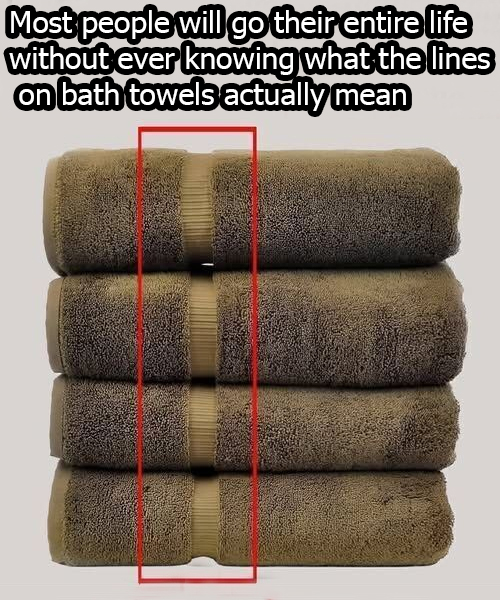
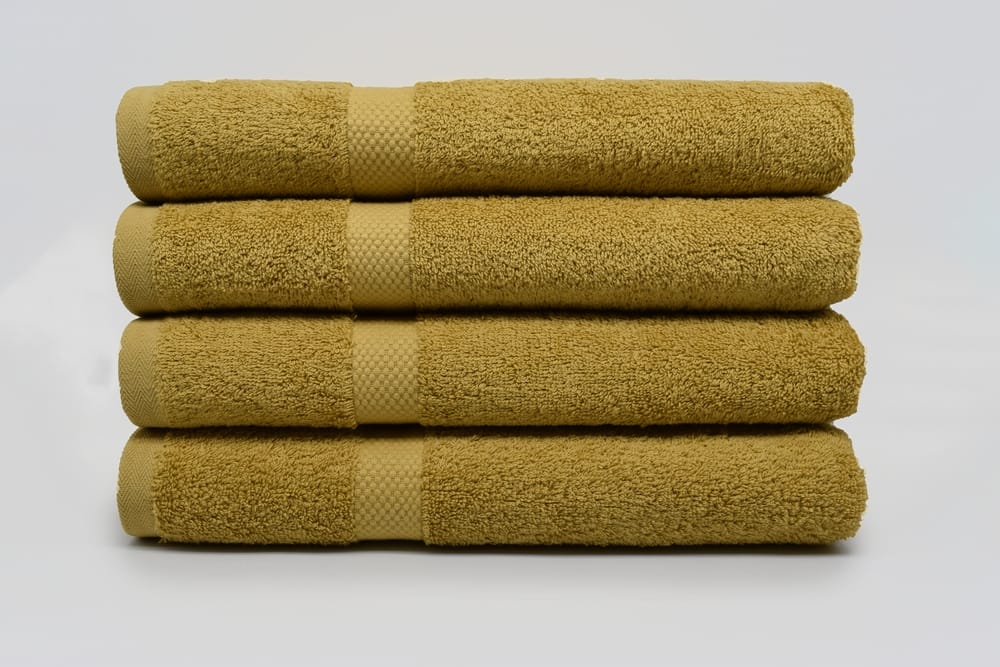
That mysterious strip is officially called the dobby border, and it plays an important role in how a towel performs. According to textile experts and industry sources like Towel Hub, the dobby border is a tightly woven band usually placed near both ends of the towel. It isn’t there just to look nice — it helps the towel keep its shape, improves durability, and supports the towel’s overall structure.
By reinforcing the edges, the dobby border helps prevent fraying and wear after repeated use and washing. It also reduces excess bulk at the ends, allowing the towel to stay lighter, neater, and easier to handle while still maintaining softness and absorbency. Manufacturers may also use this area for subtle patterns, branding, or decorative weaving, but at its core, the dobby border exists for one main reason: to make towels last longer and work better.
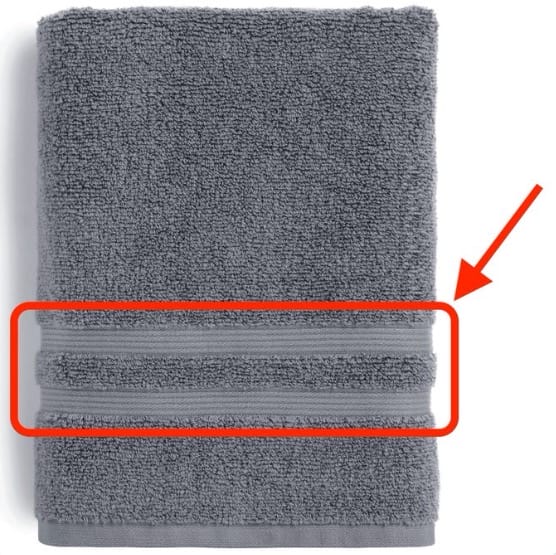
Beyond its practical purpose, the dobby border also adds a touch of visual polish. It creates a clean guide for folding, helps towels hang more evenly, and gives them a balanced, finished appearance that looks far more elegant whether they’re neatly stacked in a linen closet or draped over a bathroom rack.
As Towel Hub explains, “Absorbency is one of the most important qualities of a good towel, but achieving the perfect balance between thickness and performance can be challenging. The dobby border helps maintain structure and improve overall function without compromising softness.”
So the next time you grab your towel, take a second to appreciate that humble little strip. The dobby border isn’t just there for decoration — it quietly helps your towel stay durable, well-shaped, and stylish through countless washes and drying sessions.
And honestly, there’s something oddly satisfying about finally learning the answer to one of life’s small everyday mysteries. So go ahead and share it — chances are, someone else has been wondering the exact same thing.